Paella. Smoky. Fragrant. Delicious. This recipe is based on the paella valenciana variation, which traditionally started off as a lunchtime meal for farmers in Valencia. I’m not Spanish. So please forgive me if this isn’t perfectly traditional. This “farmers’ lunch” used to be made with whatever Spanish farmers could find in their field. So no king prawns or fish. Instead, this form of paella would usually be based on combinations of green beans, rabbit, duck, chicken or even snails! This tastes nothing like those ready made frozen paellas! Let the quest for the heavenly “socarrat” commence!
Prep time: 10 mins
Cooking time: 50-60 mins
Serve: 4 main portions
Ingredients:
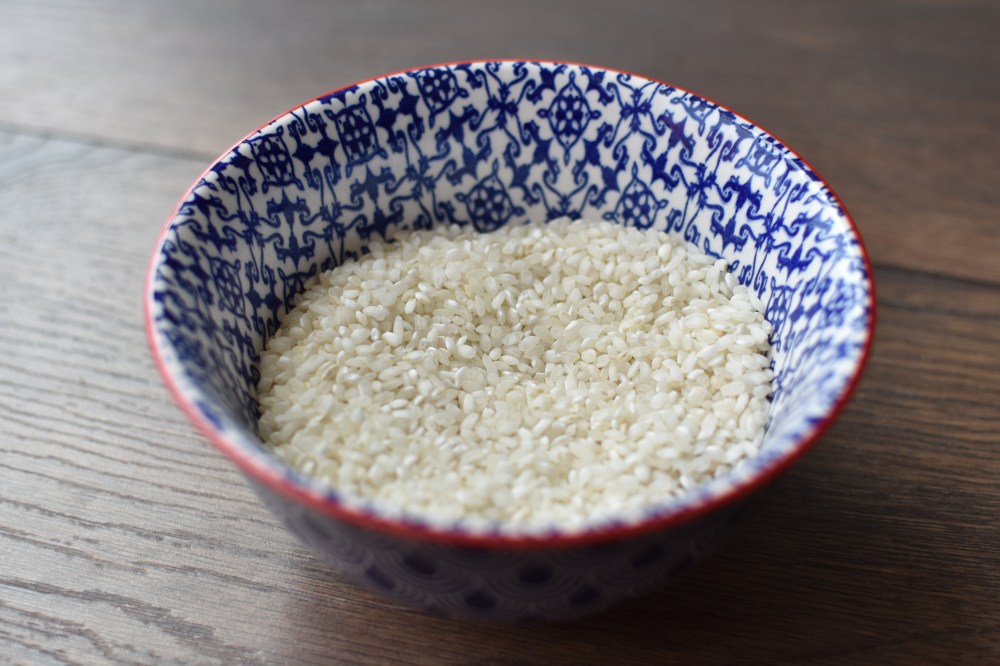
- 400 g “bomba” paella rice (if you can’t find; any short grain rice will do fine – such as a risotto rice)
- 4 pieces of chicken on bone and ideally skin on (although you can use any chicken pieces – such as boneless thighs – that you have available)
- 4 pieces of rabbit on bone
- 2 litres of chicken stock
- 1 tablespoon smoked paprika
- 4 cloves of garlic, finely chopped
- 4 artichoke hearts, halved (I tend to use those bought in jars)
- 200-300 g of fresh green beans (any mixture of broad beans, runner beans or string beans are all fine – for other alternatives see notes below)
- a large pinch of saffron (usually about 1g)
- 1 large ripe tomato, grated (or half a tin of chopped tomatoes/passata)
- olive oil
- a spring or two of rosemary
Method:
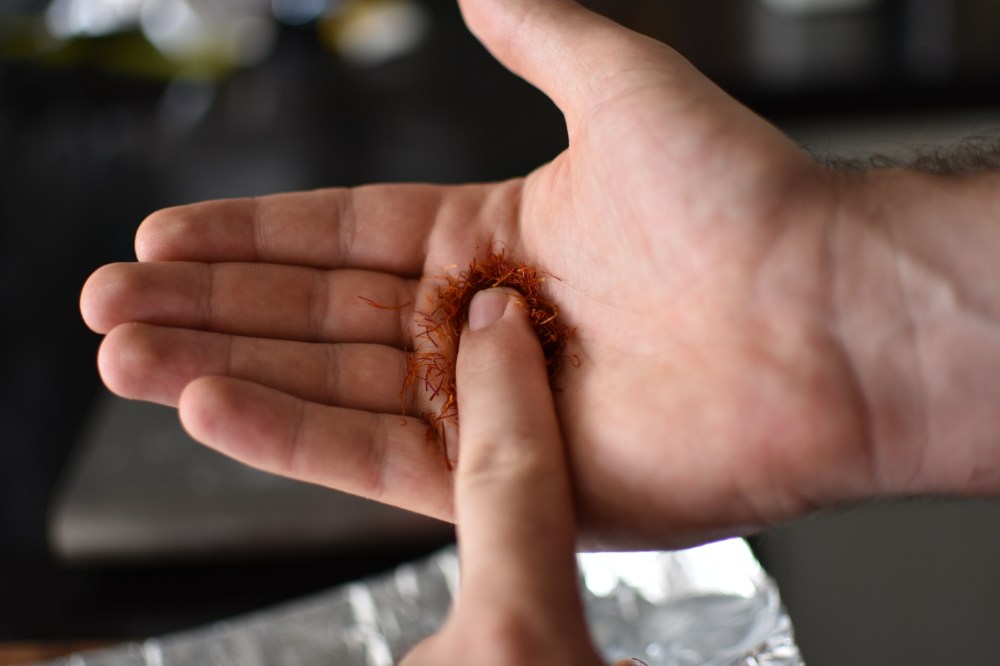
- Place your paella pan over a medium high heat. While it warms up, wrap your saffron into a small envelope shaped piece of foil (to protect the saffron from burning)
- Toast your saffron for 30 seconds on each side. Remove and set aside.
- Bump up the heat close to maximum and add 2 generous pinches of salt and about 6 tablespoons of olive oil to the pan.
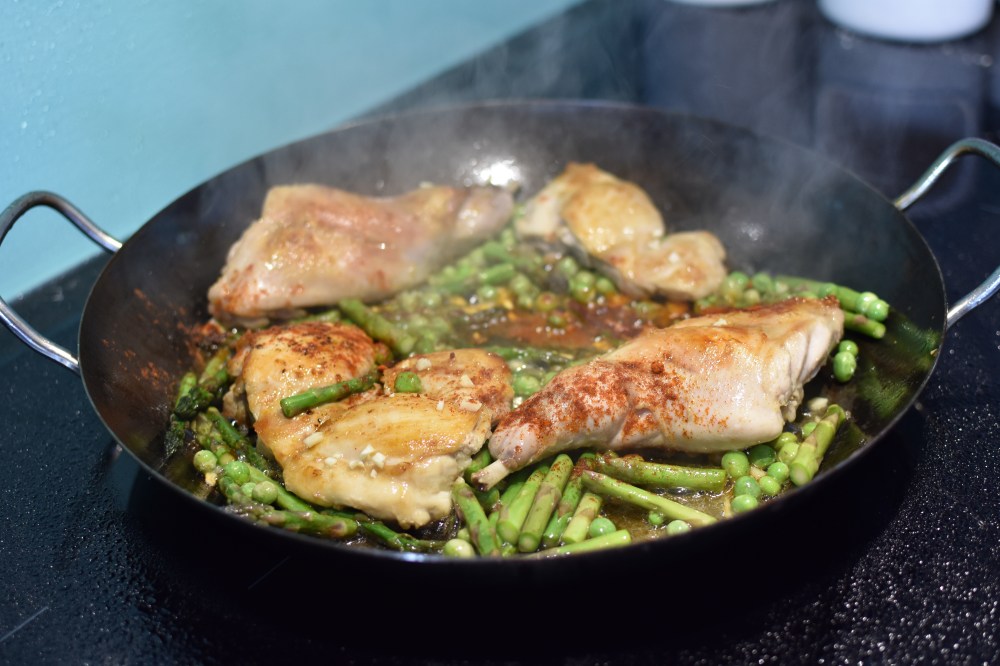
- Once the oil has heated up, add the chicken and rabbit. Sear well until dark and golden all over.
- Move the meat to the sides of the paella dish. Turn down the heat a bit if your oil is burning.
- Add the beans and brown (yes we want to char the beans also!) for a few minutes.
- Sprinkle over the paprika and garlic. Cook for a further minute. Then add the tomatoes and artichokes and cook for a further minute.
- Add the stock and bring to a boil.
- Crush the saffron in the palm of your hand and add to the pan.
- Once bubbling aggressively, scatter the rice throughout the pan. Give it 2-3 gentle stirs to help the rice settle at the bottom of the pan. Bring back to the boil.
- Cook over a high heat for for a further 10 minutes. Do not stir again.
- At this point, turn down the temperature to a low heat and continue to cook for about 10 minutes, until the water has all been absorbed by the rice.
- Add a sprig or two of rosemary over the top. Remove from heat and cover the dish with aluminium foil. Allow it to rest for 5 further minutes.
- Serve and enjoy.
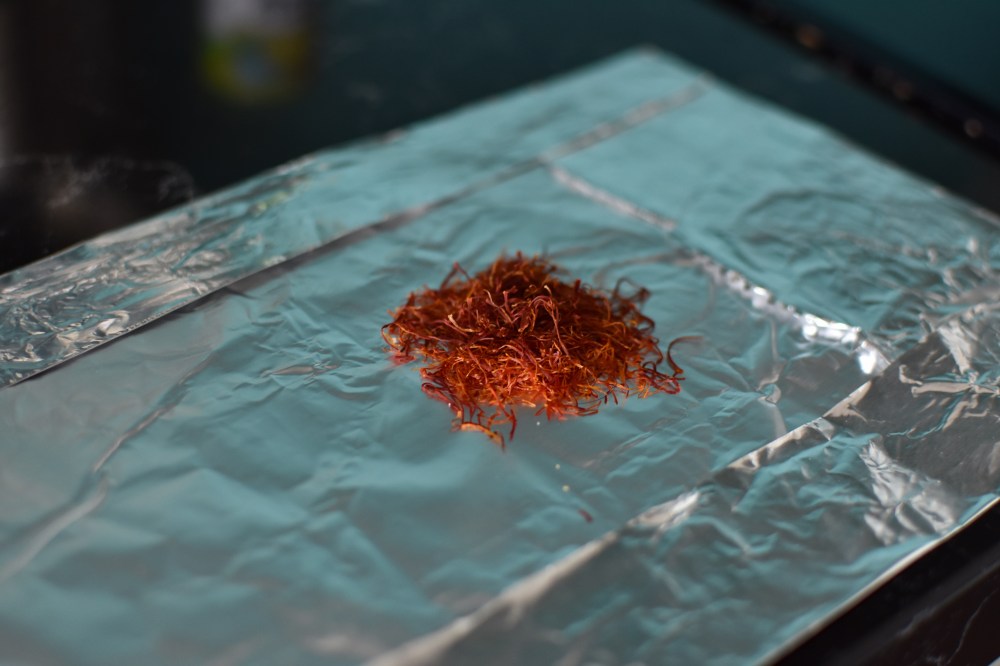
Saffron envelope 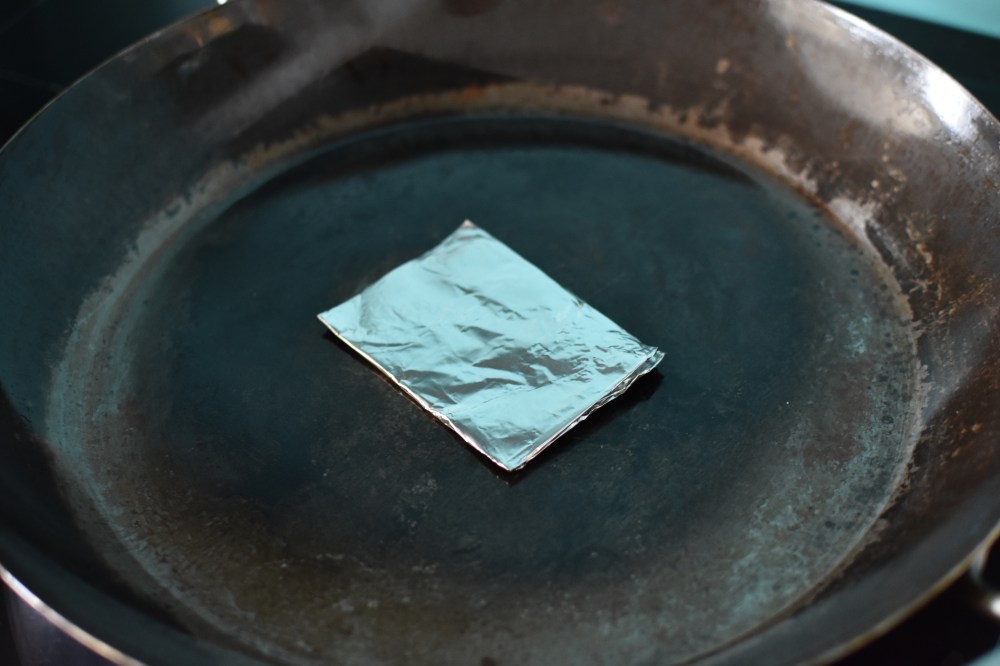
Toasting the saffron 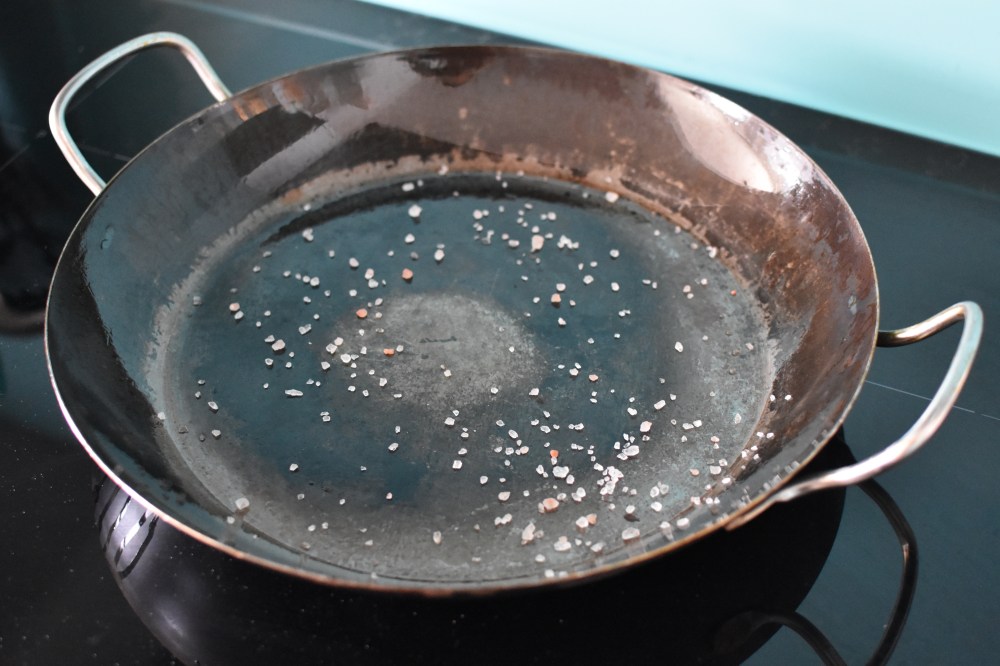
Season up that pan! 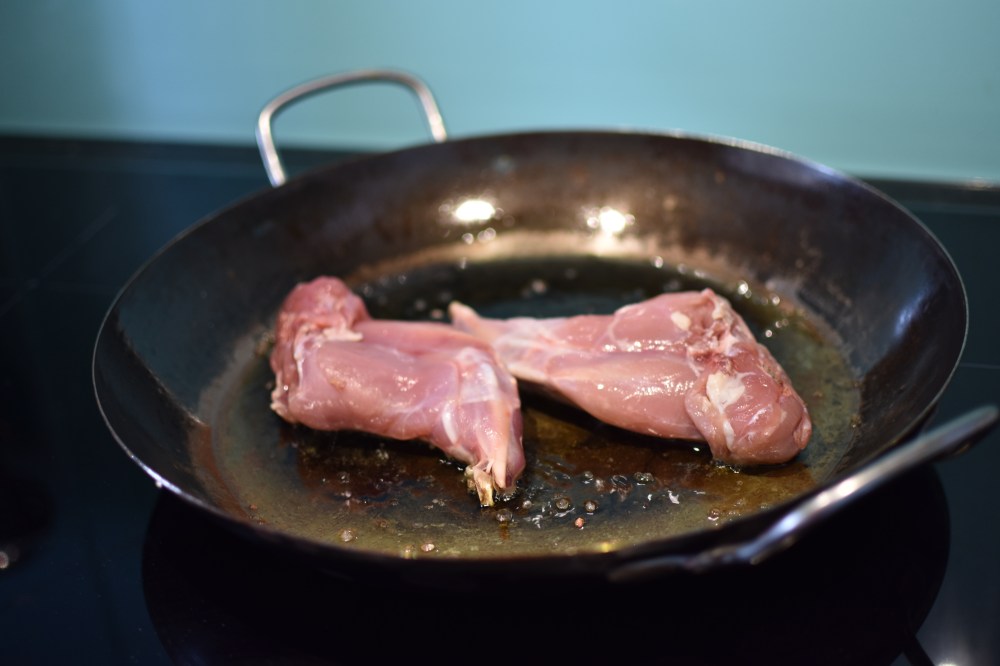
Searing the rabbit 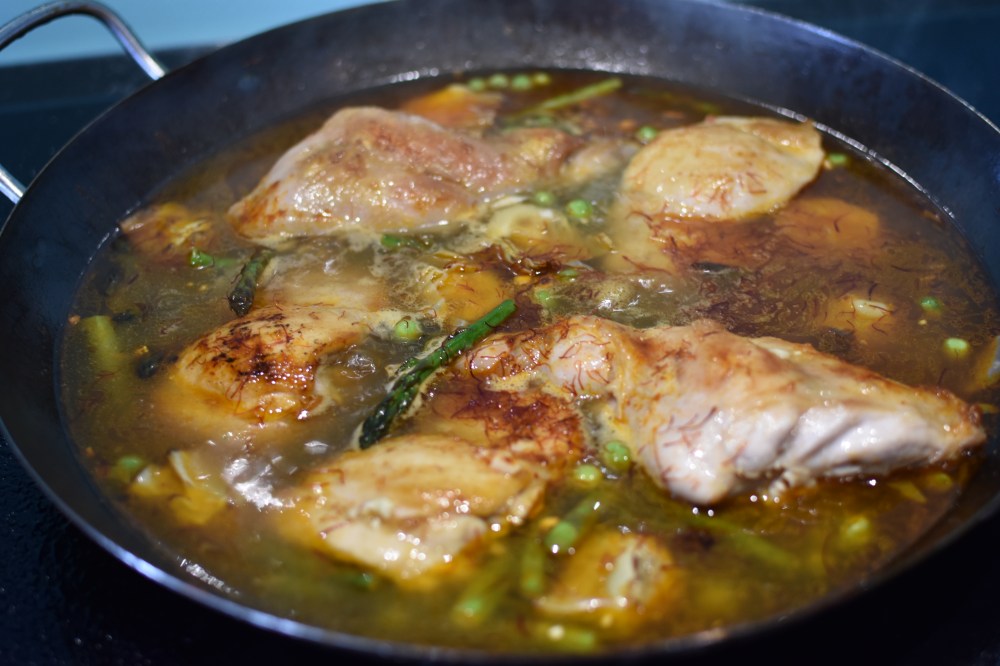
Bring to a boil! 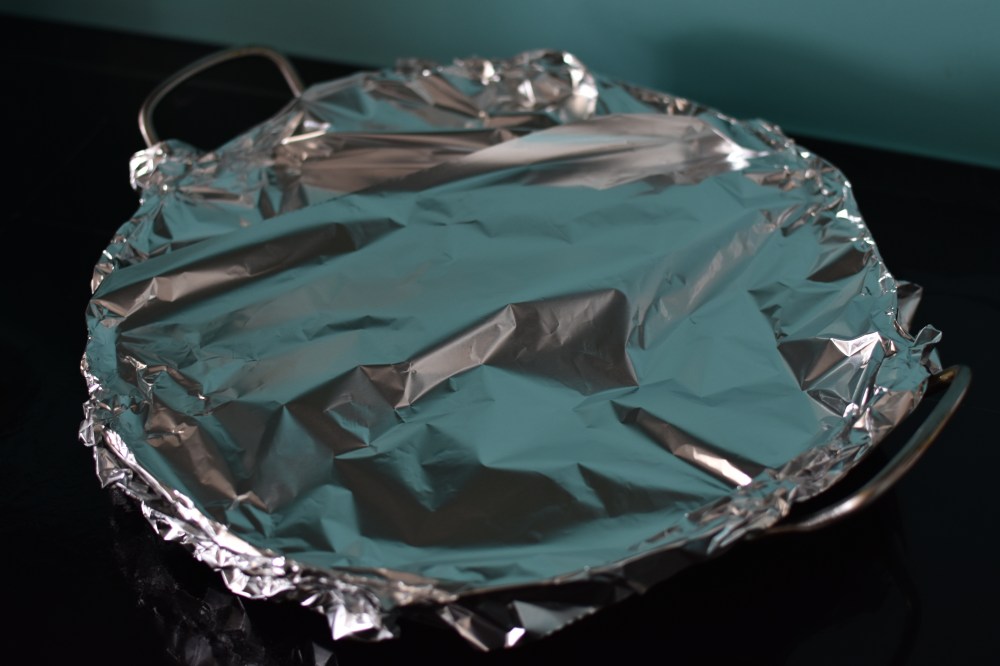
Cover it up, to rest 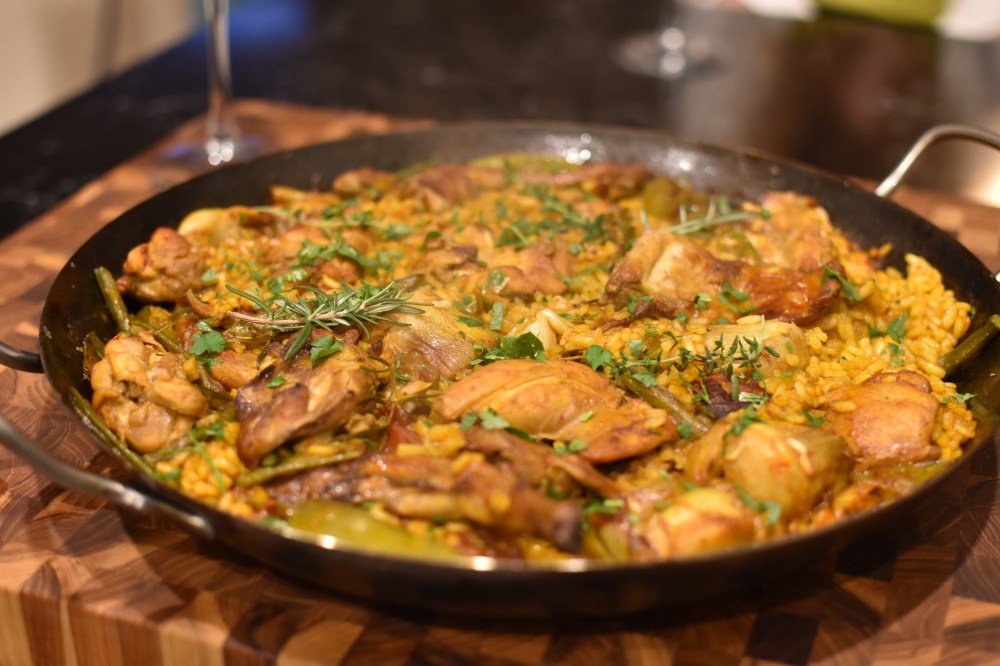
One of my first ever paella attempts 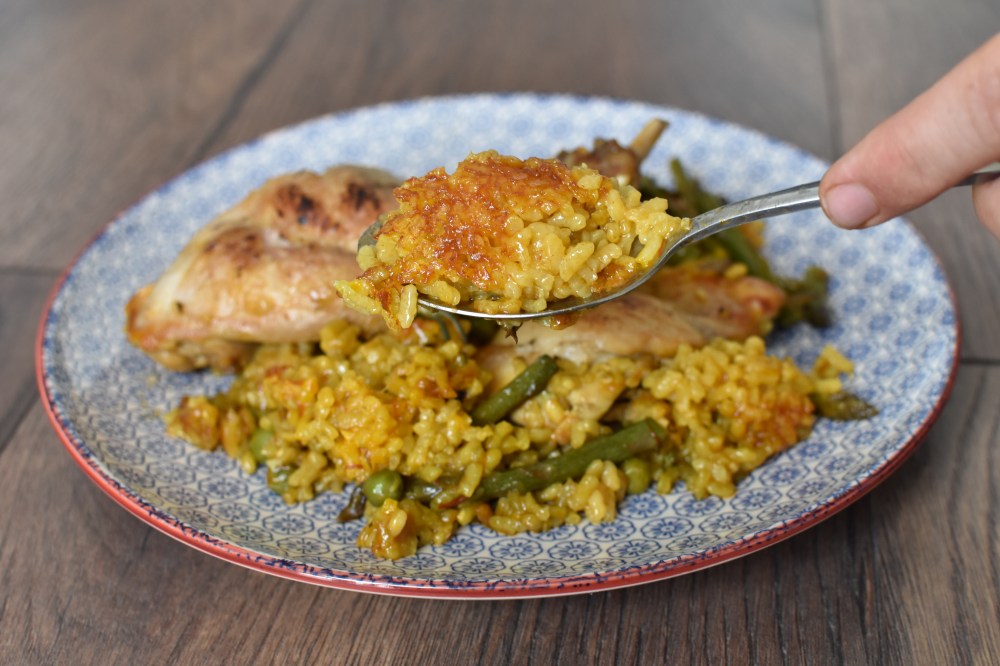
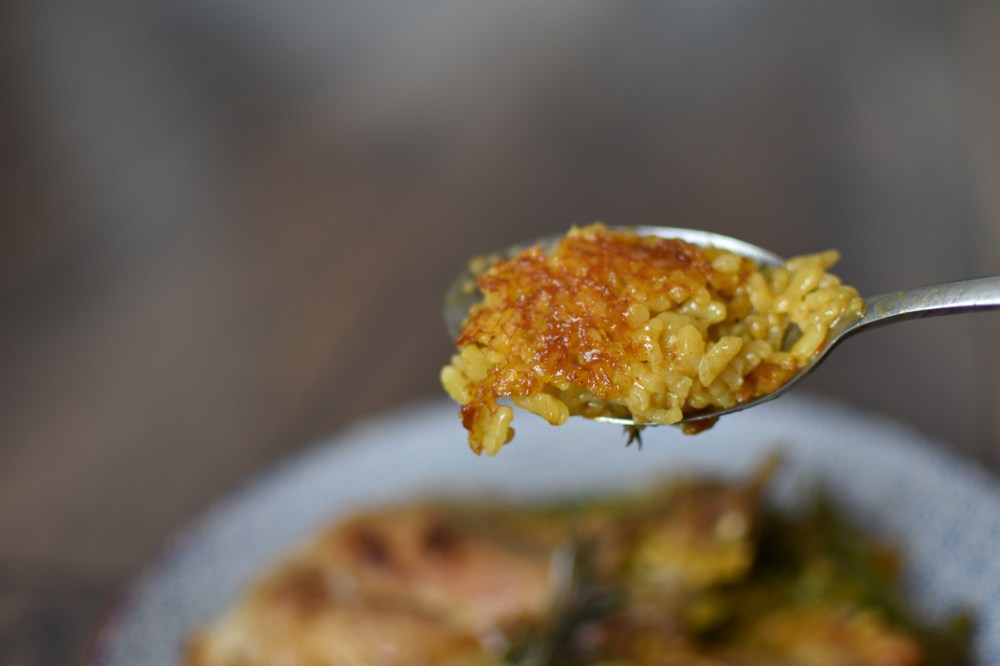
Socarrat begging to be eaten!
Notes:
Socarrat. This is the holy grail of the paella. It refers to the crispy rice found at the bottom of the pan that results from the delicious combination of the fats from the meat and the starch from the rice. Make sure you get out that wooden spoon and scrape it off the bottom. Please don’t fight over it.
I like to use a combination of rabbit and chicken pieces so everyone gets to try a piece. The flavours really work well. You can opt for just chicken. Or just rabbit. Or duck. It’s up to you. Just bear in mind that rabbit, being a leaner meat, and cooked in this method might seem a bit dry when compared to the chicken. That’s actually normal. This isn’t a long stew that turns rabbit into melt in your mouth, falling off the bone consistency. This give a nicely flavoured meat with a good bite to it.
Common Problems and Solutions:
P: I don’t own a paella pan.
S: Use any wide based saucepan. Or buy a paella pan. Or ask Santa to get you one for Christmas.
P: I cannot find Spanish bomba rice.
S: Most major supermarkets should at least have something listed as “paella rice”. If you can’t find that, just use a risotto rice. If you don’t mix it too much, you’ll still end up with a paella and not a risotto, I promise. Do not try it with basmati or other forms of long grain rice. It just doesn’t work.
P: My paella seems to be running out of water too quickly, I’m worried it’s going to burn.
S: You might be cooking it on too high a heat. Or your rice of choice is super good at absorbing water. Don’t panic. As a rough guide, after the first 5 minutes of the cooking the paella on low heat (part of step 12 in the method) the water level should be just below the level of the rice. If the pan is already completely dry, then add a little bit of boiling water from your kettle to top it up. Don’t go overboard. Oh and make sure the paella is over a low heat at this step. If it’s the opposite and you’ve got too much water just turn up the heat a little bit for 1-2 minutes to help it evaporate off quicker. Or spoon off a few tablespoons from the surface.
P: I’ve burnt the bottom! The paella is ruined.
S: You’re paella isn’t ruined!! Just avoid serving the totally burnt parts. Make sure you used the right quantities and followed the instructions well. But remember, different rice, different shaped dishes can all affect the cooking process. Take it as a learning experience and next time try to fix it. Maybe next time try to add a bit more water, or cook it a little more gently next time.
P: I don’t have fresh green beans! Can I still make it?
S: Yes, of course you can! Frozen peas can be used. You can even add in some cannellini beans from a tin! Other alternatives include mangetout, asparagus or broccoli – just don’t serve it to a spanish guests 😛
P: This seems overly complicated. I can’t do this.
S: No, it’s really not. And it’s worth giving it a go. I promise. And it’s really difficult to make a bad paella if you follow the above steps.
P: Some little rice grains ended up on top of the rabbit or chicken pieces and aren’t going to cook.
S: Knock them off with a teaspoon, back into the liquid. Or just leave them there and have a few crunchy grains at the end. 😉
P: I want to add chorizo. Cause I love it.
S: It’s like adding cream to a carbonara. Yep. I’ll just leave it at that.
(disclaimer: cooking should be fun. You can add anything to anything if that’s what you want to do. If you really want to add it, make sure you do it in the beginning to released all those oils to flavour the other meats and vegetables. It’ll taste different, but still delicious. Oh, and reduce the oil you add in the beginning by half!)
P: I love seafood, can I substitute the meat out and use shellfish?
S: Well. That’s a different form of paella. Certainly delicious, but will require some adjustments in the method and ingredients as it’s not a paella valenciana. Maybe someday I’ll write it up!
 Food by Zac